
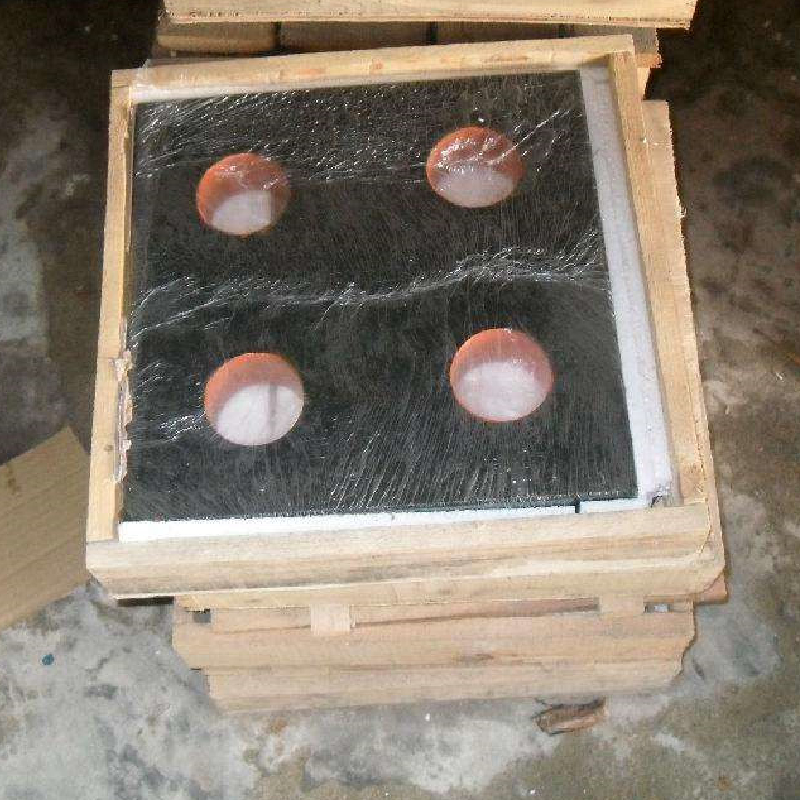
insulated glass unit
Understanding Butterfly Valve Types and Applications Butterfly valves are a crucial component in various industrial processes, known for their simple design, compact structure, and reliability in controlling flow. These valves operate by rotating a disc to either block or allow passage through a pipe, and they are widely utilized across multiple sectors including water treatment, oil and gas, HVAC, and many others. Understanding the types of butterfly valves available and their specific applications can greatly enhance system efficiency and reliability. Types of Butterfly Valves 1. High-Performance Butterfly Valves Designed for high pressure and temperature applications, high-performance butterfly valves feature a resilient seat and often utilize a metal-to-metal sealing mechanism. These valves are ideal for industries such as petrochemical, power generation, and oil refining, where precision and durability are paramount. 2. Triple Offset Butterfly Valves These valves incorporate three offsets in their design, allowing for a unique sealing mechanism that provides a tight shut-off and minimizes wear over time. The triple offset design reduces friction during operation, making these valves suitable for high-pressure applications involving corrosive or abrasive materials. Industries like mining and wastewater treatment commonly utilize these valves. 3. Lugged Butterfly Valves Lugged butterfly valves are equipped with lugs on their body, allowing for easy installation and maintenance. They are particularly useful in piping systems where the valve needs to be isolated for servicing . Common applications include fuel oil systems and various chemical processing plants. 4. Wafer Butterfly Valves Unlike lugged valves, wafer butterfly valves are installed between two flanges, offering a more lightweight and compact solution. They are suitable for lower pressure applications and are often seen in water distribution systems, HVAC systems, and other non-critical processes. butterfly valve types and applications 5. Electric and Pneumatic Butterfly Valves These are actuated butterfly valves, utilizing electric motors or pneumatic systems for automation. They are ideal for processes that require remote operation, providing precise control over flow management. Automated butterfly valves are commonly used in large-scale facilities such as power plants and chemical refineries where efficiency and safety are top priorities. Applications of Butterfly Valves Butterfly valves are versatile and can be tailored for various applications. In the water and wastewater treatment industry, they manage flow and pressure control efficiently, ensuring safe and reliable distribution. In oil and gas, butterfly valves handle the movement of liquids and gases, thanks to their ability to withstand high pressures and corrosive environments. In HVAC systems, these valves contribute to energy efficiency by facilitating the control of airflow and temperature regulation. Moreover, in food and beverage industries, economical and sanitary designs of butterfly valves ensure hygiene while managing fluids. Conclusion The selection of an appropriate butterfly valve type hinges on understanding the specific requirements and conditions of the application. From high-performance and triple offset designs to lugged and wafer types, each variation serves its unique purpose in ensuring fluid management remains effective and safe. As industries continue to evolve, butterfly valves stand out as a fundamental choice for facilitating improved operational efficiencies across diverse sectors. By leveraging the right type of butterfly valve, companies can maximize their system performance, reduce maintenance costs, and enhance overall output.
about
insulated glass unit
The Versatility and Importance of 20% Butterfly Valves Butterfly valves are one of the most widely used types of quarter-turn valves in various industries, owing to their simplicity, effectiveness, and reliability. Among the different configurations available, the 20% butterfly valve stands out as a crucial choice for many applications, particularly in control systems where flow regulation is essential. This article explores the features, advantages, and applications of 20% butterfly valves. Understanding Butterfly Valves Butterfly valves consist of a disc that rotates around a shaft. When the valve is closed, the disc is perpendicular to the flow of the fluid, effectively sealing the system. Conversely, when the valve is open, the disc aligns with the flow, allowing for smooth passage. The 20% butterfly valve typically refers to a valve designed to throttle up to 20% of the total flow, making it ideal for situations where precise control over the fluid’s flow rate is required. Key Features 1. Compact Design One of the most significant advantages of the 20% butterfly valve is its lightweight and compact design, which allows for easy installation in tight spaces. This feature is particularly beneficial in environments where traditional valves may not fit. 2. Quick Operation The quarter-turn operation enables rapid opening and closing, making it highly efficient in processes requiring frequent adjustments. This advantage reduces downtime and helps maintain system efficiency. 3. Excellent Flow Control The ability to control fluid flow effectively is paramount in many applications. The 20% butterfly valve provides precise flow modulation, ensuring that systems can operate under the desired conditions without the risk of overloading. 4. Material Variety 20% butterfly valves can be manufactured from a variety of materials, including stainless steel, PVC, and cast iron, catering to numerous industrial needs and environments. This versatility makes them suitable for handling different types of fluids, including corrosive substances and high-temperature applications. Advantages of Using 20% Butterfly Valves 1. Cost-Effective Compared to other valve types, butterfly valves are generally more affordable due to their simple design and manufacturing processes. This cost-effectiveness extends to maintenance, as fewer parts often lead to lower service expenses. 20 butterfly valve 2. Energy Efficiency By providing precise flow control, 20% butterfly valves help optimize energy consumption. Efficient flow regulation reduces the energy needed to pump fluids through systems, ultimately decreasing operational costs. 3. Minimal Pressure Drop Butterfly valves, including the 20% variant, typically exhibit lower pressure drops when compared to other valve types. This characteristic enhances system efficiency and reduces the risk of cavitation and surge. Applications The applications of 20% butterfly valves are diverse and span multiple industries, including - Water Treatment In municipal and industrial water treatment facilities, these valves are employed to control the flow of water and chemicals used in various processes, ensuring optimal treatment outcomes. - Food and Beverage The food and beverage industry uses 20% butterfly valves for their ability to handle sterile processes and maintain hygiene. They regulate the flow of liquids, such as juices, beer, and dairy products, with high precision. - HVAC Systems In heating, ventilation, and air conditioning (HVAC) systems, butterfly valves are used to control airflow, contributing to the efficient regulation of temperature and air quality. - Chemical Processing The ability to manage corrosive materials safely makes the 20% butterfly valve a staple in chemical processing plants. They can maintain flow consistency and control, crucial for safe processing. Conclusion In conclusion, the 20% butterfly valve is a vital component in modern industrial applications. Its design promotes energy efficiency, cost-effectiveness, and superior flow control, making it an excellent choice for a variety of systems. As industries continue to pursue greater efficiency and reliability in their operations, the role of butterfly valves is likely to grow even more significant. Understanding the benefits and applications of these valves allows engineers and decision-makers to make informed choices that enhance their systems' performance and sustainability.
-

High quality industrial productsagement

High quality industrial products
View Details -

Meet the diverse needs of customers

Meet the diverse needs of customers
View Details -

Strict quality control

Strict quality control
View Details -

Top raw materials

Top raw materials
View Details -

Trusted supplier

Trusted supplier
View Details
Our application

news and information
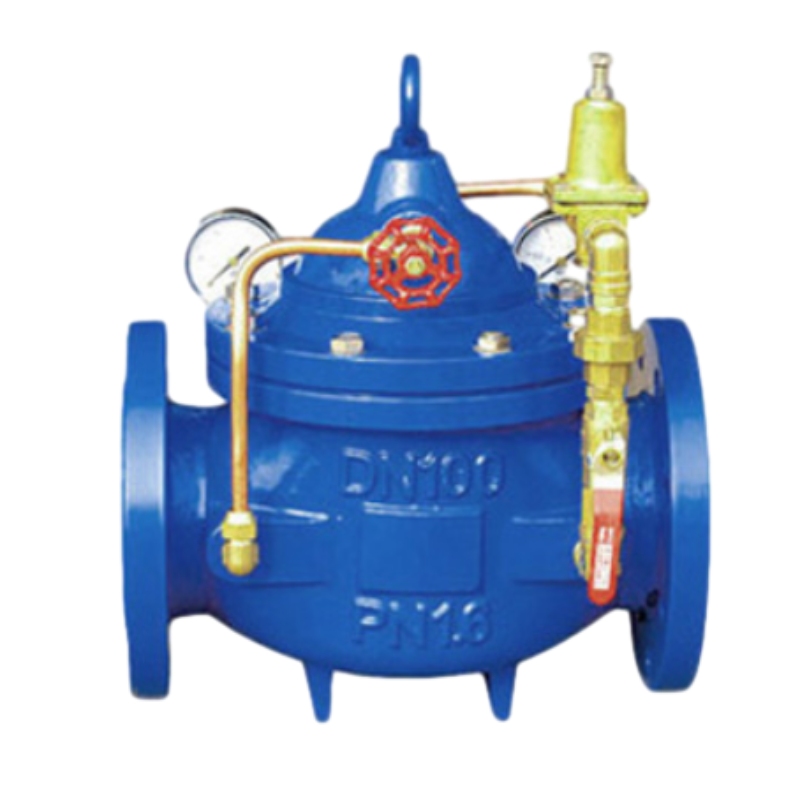
Water Meter Shutoff Valve Installation and Maintenance Guide
Understanding Water Meter Shut-Off Valves Importance and Functionality Water meter shut-off valves a
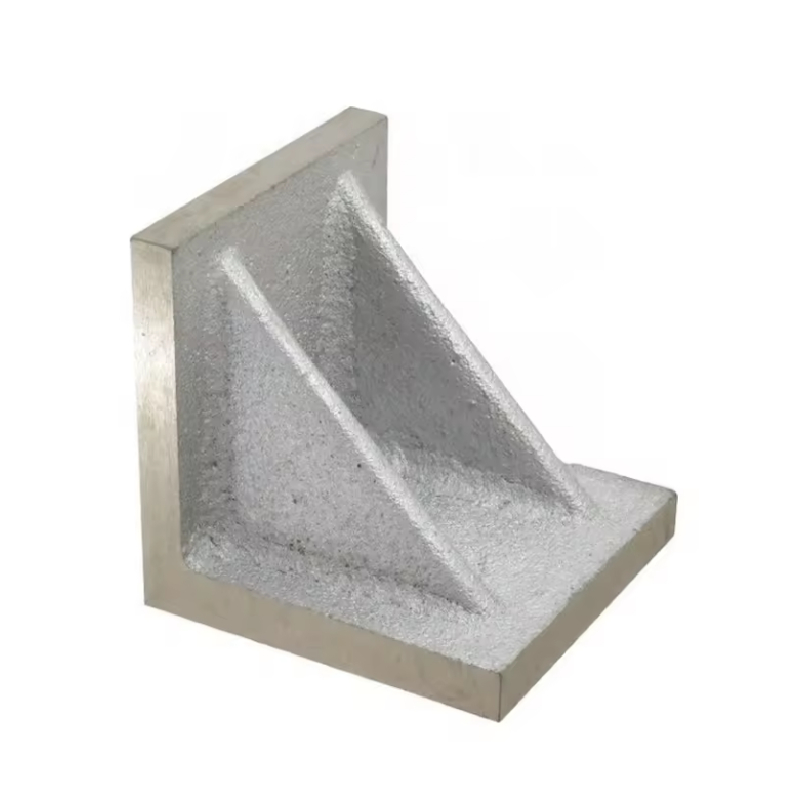
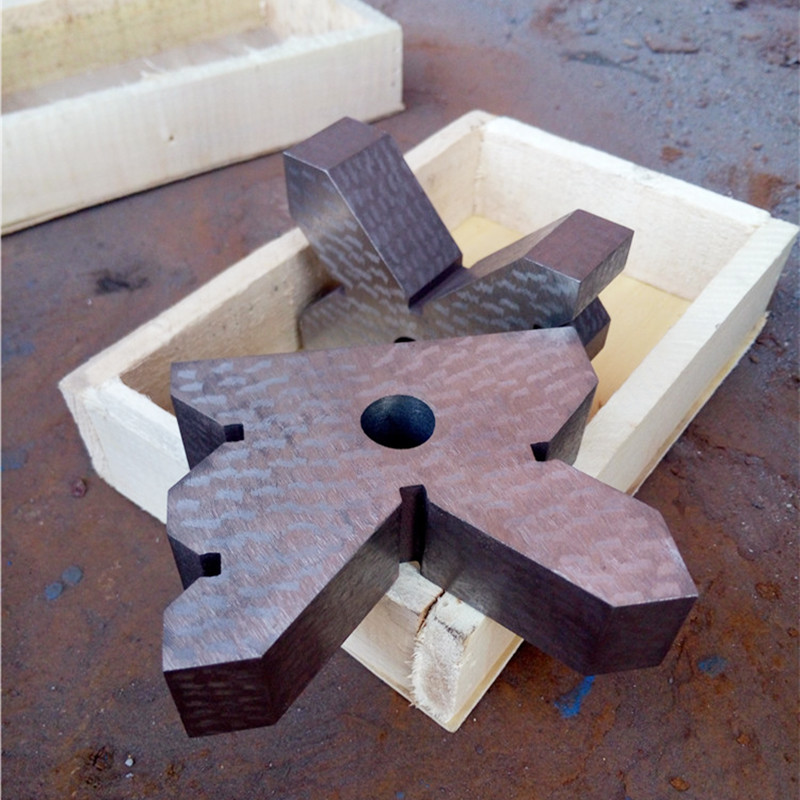
vee blocks
Understanding Vee Blocks Essential Tools in Precision Engineering In the realm of precision engineer
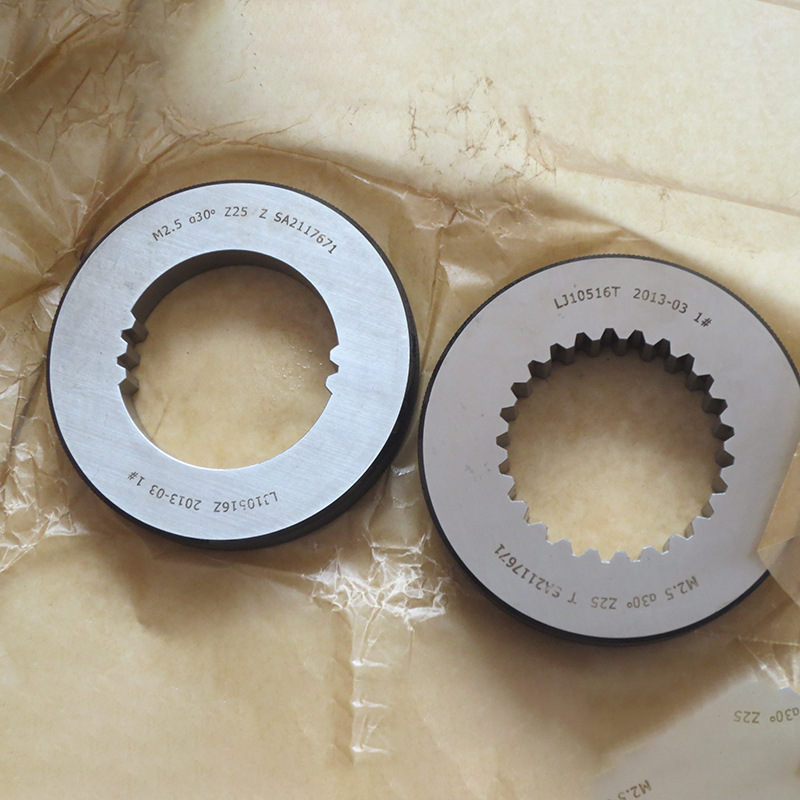
Y Type Strainer Function
In the world of fluid mechanics and piping systems, maintaining the efficiency and longevity of equi
 English